Introduction: The Backbone of High-Performance Windows
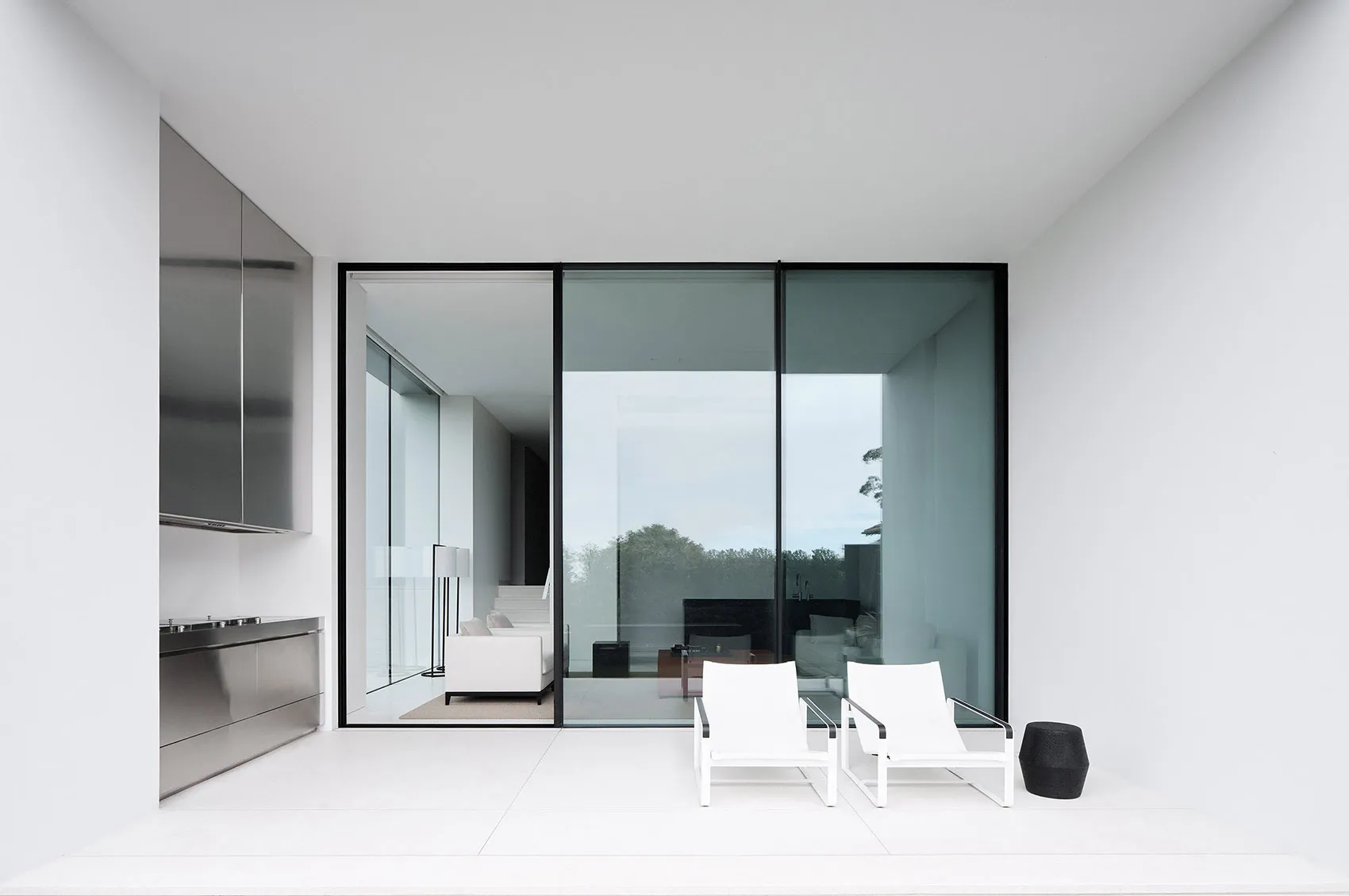
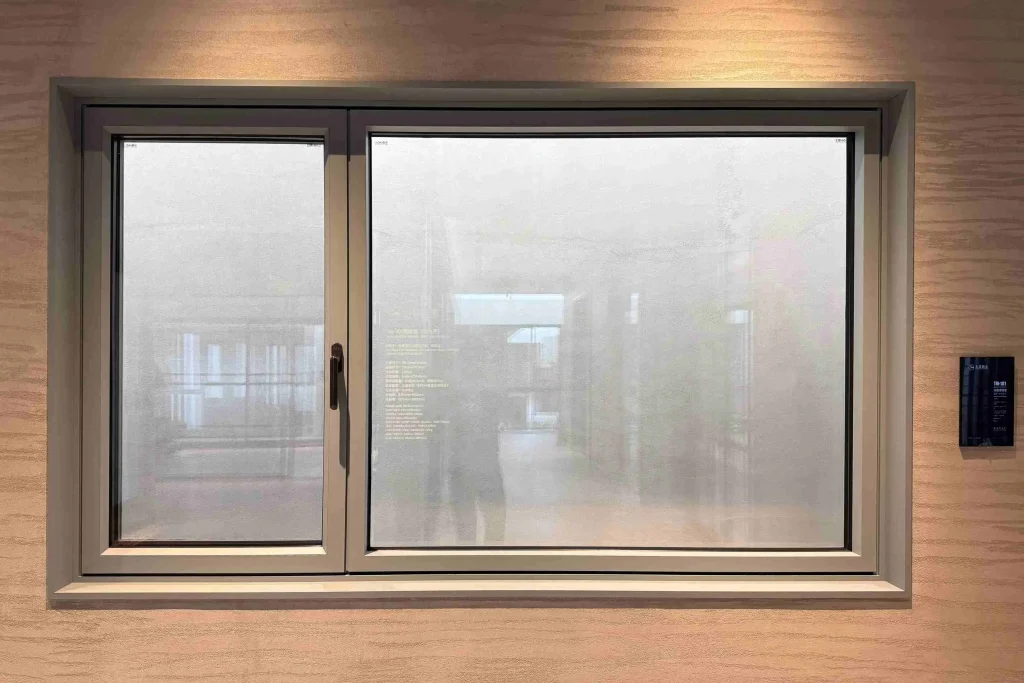
In the world of luxury architecture and sustainable building, the window frame is no longer just a structural necessity—it is a critical component of energy efficiency. The Thermal Break Aluminum Profile has revolutionized the industry, offering the perfect balance between the structural strength of metal and the thermal insulation of non-metallic materials. For distributors and builders, understanding the metallurgy and engineering behind these profiles is key to delivering long-term value to clients.
1. The Core Material: Why 6063-T5 Aluminum?
Not all aluminum is created equal. The industry standard for high-end window and door systems is the 6063-T5 aluminum alloy.
- 6063 Alloy: Known as the “architectural alloy,” it provides a superior surface finish and excellent corrosion resistance. Its chemical composition allows for the extrusion of complex, high-precision shapes required for modern “Smart” systems.
- T5 Tempering: This indicates that the aluminum has been cooled from an elevated temperature shaping process and artificially aged. This process ensures the profile reaches the specific hardness required to withstand high wind loads in coastal or high-rise environments without deforming.
2. Wall Thickness: Balancing Safety and Stability
For B2B projects, especially in the US and UK markets, wall thickness is a non-negotiable safety metric.
- Residential Standards: Typically range from 1.4mm to 1.6mm.
- Heavy-Duty & Commercial Projects: For large-scale sliding doors or high-wind zones, a thickness of 1.8mm to 2.0mm is recommended.
Pro Tip: Increasing wall thickness by just 0.2mm can significantly improve the screw-holding strength and the overall structural integrity of the frame, reducing maintenance callbacks.
3. The “Bridge”: PA66 GF25 Thermal Strips
The “Thermal Break” is achieved by inserting a low-conductivity material between the interior and exterior aluminum profiles.In modern thermal break aluminum profiles, the thermal barrier is achieved by inserting a low-conductivity material…
- Material Quality: We utilize PA66 GF25 (Polyamide 66 reinforced with 25% glass fiber).
- Why PA66? Unlike cheaper PVC alternatives, PA66 has a thermal expansion coefficient almost identical to aluminum. This prevents the “bridge” from cracking or leaking air as the metal expands and contracts with the weather.
4. Premium Surface Finishes for Industrial Aesthetics
To meet the demands of modern industrial and minimalist design, the surface treatment must be as durable as the metal itself.
- Powder Coating: Available in deep blues, blacks, and golds, offering a clean, high-end look with high UV resistance.
- Fluorocarbon (PVDF) Coating: Recommended for coastal projects due to its extreme resistance to salt spray and chemical corrosion.
- Anodizing: Enhances the natural metallic texture while providing a surface harder than the aluminum itself.
Technical Specifications Table for Architectural Thermal Break Aluminum Profiles
| Feature | Specification | B2B Benefit |
| Alloy Grade | 6063-T5 | Superior durability and sleek finish |
| Profile Thickness | 1.8mm – 2.0mm | High wind-pressure resistance |
| Insulation Strip | PA66 GF25 | Energy saving & condensation prevention |
| Hardware Compatibility | European Standard Groove | Easy integration with global hardware brands |
Frequently Asked Questions: Professional Aluminum Profile Engineering
Frequently Asked Questions: Thermal Break Aluminum Profiles & Engineering
Q1: Why is 6063-T5 the preferred alloy for architectural aluminum windows over other grades? A: 6063-T5 offers the optimal balance of mechanical properties and surface quality. While 6061 is stronger, it lacks the fine surface finish required for high-end powder coating or anodizing. The T5 tempering process provides sufficient hardness (8–12 Webster) to ensure structural stability in high-wind load areas while maintaining the flexibility needed for precision extrusion of complex “Smart” window systems.
Q2: What is the critical difference between PA66 GF25 and PVC thermal strips? A: PA66 GF25 (Polyamide 66 reinforced with 25% glass fiber) is an engineering plastic that shares a similar linear expansion coefficient with aluminum. This ensures that the thermal break remains structurally sound during extreme temperature fluctuations. In contrast, PVC strips have a high risk of shrinking, cracking, or deforming, which can lead to air leakage and compromised structural integrity over time.
Q3: How does wall thickness impact the performance of high-rise or large-scale sliding doors? A: Wall thickness (e.g., 1.8mm to 2.0mm) is directly proportional to the “Moment of Inertia,” which determines the profile’s resistance to deflection. For large-scale projects or high-rise applications, thicker walls are essential to meet stringent wind-pressure standards and to ensure that heavy double or triple-glazing units are supported without the frame warping or jamming.
Q4: Can these aluminum profiles be customized for specific regional building codes (e.g., hurricane zones)? A: Yes. For regions requiring high impact resistance or specific certifications (such as Florida’s HVHZ standards), we focus on the structural reinforcement of the profile chambers and the use of specialized 6063-T6 or thicker-walled T5 profiles. This ensures the window assembly can withstand flying debris and extreme cyclic pressure without catastrophic failure.
Q5: What surface treatment provides the longest lifespan in coastal environments? A: For coastal projects exposed to salt spray and high humidity, PVDF (Fluorocarbon) coating is the gold standard. It contains a high percentage of Kynar 500 resin, providing exceptional resistance to chemical corrosion and UV fading. For an industrial aesthetic with high durability, 15–25 micron Anodizing is also an excellent option, as it creates an oxide layer that is integrated with the aluminum itself.
Q6: How does the “Multi-Chamber” design contribute to energy efficiency? A: Beyond the thermal break strip, a multi-chambered profile design creates stagnant air pockets within the aluminum frame. This design significantly lowers the U-value (thermal transmittance) by reducing convection and radiation heat transfer. When combined with PA66 strips, it effectively creates a “thermal barrier” that keeps interior spaces cool in summer and warm in winter, drastically reducing HVAC energy consumption.