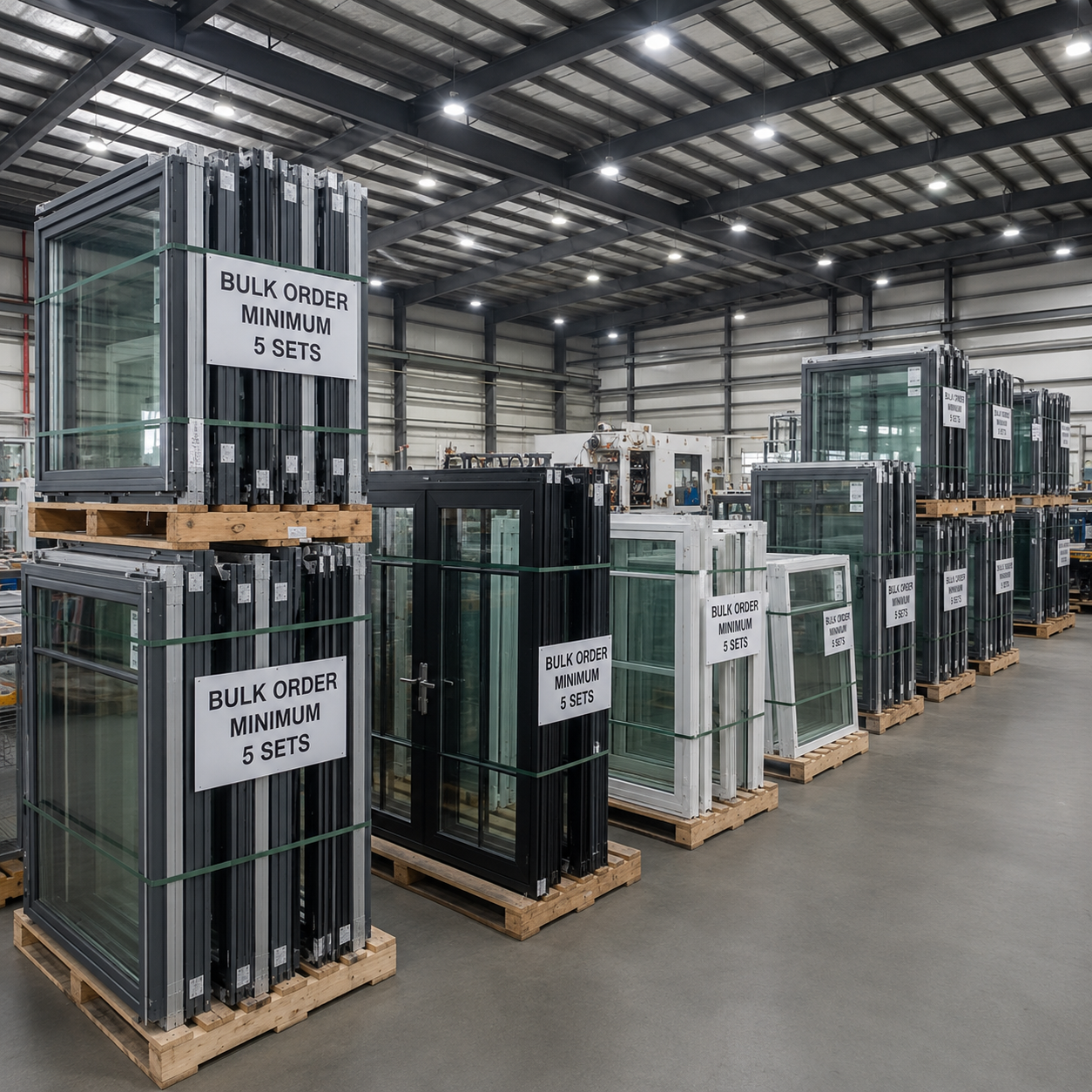
Known globally as the “World’s Capital of Building Materials,” Foshan produces a staggering percentage of the global supply of architectural aluminum, ceramics, sanitary ware, and custom furniture. For general contractors, commercial developers, and high-end homebuilders, traveling directly to the source unlocks substantial margin expansion and direct access to bespoke fabrication.
However, navigating a city home to thousands of manufacturing facilities without a structured plan often leads to decision fatigue, logistical delays, and unexpected costs.
This comprehensive, step-by-step playbook details how to source building materials in Foshan China—from travel logistics and industrial cluster navigation to technical contract negotiation and container consolidation.
Phase 1: Pre-Trip Planning & Technical Preparation (3–4 Weeks Out)
Traveling to China without finalized architectural documentation will result in vague estimates rather than binding engineering quotes.
1. Consolidate Your Technical Schedule
Before boarding your flight, ensure you have packaged:
- CAD Elevations & Floor Plans: Highlighting exact rough opening dimensions and structural threshold details.
- Fenestration Schedule: Specifying frame color (RAL code), glass buildup (e.g., $6\text{mm Low-E} + 12\text{A Argon} + 6\text{mm}$), and hardware finishes.
- Target Building Codes: Documenting local performance mandates (e.g., NAFS/NFRC in North America, AS2047 in Australia, or CE/EN standards in Europe).
2. Business Travel Logistics & Local Setup
- Entry Visa: Secure an M-Visa (Commercial/Trade) via an official business invitation letter provided by your host manufacturer or trade agency.
- Digital Infrastructure: Install essential cross-border tools before departure:
- WeChat & WhatsApp: For seamless real-time messaging, file transfer, and communication with plant managers.
- Alipay / WeChat Pay (Linked to International Cards): Essential for taxis, dining, and local high-speed rail ticketing.
- eSIM / Roaming Data: Ensures unrestricted access to global business email and CAD cloud platforms while in China.
- Transit Route: Fly into Guangzhou Baiyun International Airport (CAN) or Hong Kong International Airport (HKG). From Guangzhou Airport, Foshan is an easy 45-to-60-minute private car or high-speed taxi ride. From Hong Kong, take the direct High-Speed Rail (HSR) from West Kowloon to Guangzhou South, followed by a 20-minute drive into central Foshan.
Phase 2: Navigating Foshan’s Industrial Clusters (Where to Go)
Foshan is not a single market; it is an interconnected ecosystem of specialized manufacturing towns. Grouping your site visits geographically avoids losing hours to cross-town traffic:
| Material Category | Primary Industrial Cluster | Key Markets & Factory Hubs |
| Architectural Aluminum Windows & Doors | Nanhai District (Lishui, Dali, Shishan) | Factory-direct industrial parks; Dali Aluminum Market |
| Ceramic & Porcelain Tiles | Chancheng District (Shiwan, Jihua Road) | China Ceramics City (CCC), Casa Ceramics Mall |
| Sanitary Ware & Bathroom Fixtures | Nanhai & Gaoming Districts | Huayi Sanitary Ware City, Shunde International Hardware |
| Luxury Furniture & Millwork | Shunde District (Lecong Town) | Louvre International Furniture Exhibition Center |
| Glass Railings & Stainless Steel Hardware | Lanshi & Chencun Hubs | Lanshi International Metal Exchange Center |
Phase 3: Inspecting a Real Aluminum Window & Door Factory
Wholesale showrooms provide visual inspiration, but contracting high-performance facade packages requires evaluating the physical production facility. When learning how to source building materials in Foshan China, insist on inspecting four core factory areas:
[ Raw Profile Storage ] ➔ [ Dual-Head CNC Sawing ] ➔ [ Glue-Injected Corner Assembly ] ➔ [ Air/Water Test Rig ]
1. Ingot & Extrusion Inspection
Verify that raw profiles are extruded from certified virgin 6063-T5 aluminum alloy. Reject facilities utilizing secondary recycled scrap, which exhibits brittle crystal structures and uneven powder-coat adhesion.
2. The Corner Cleat Workstation
Examine how the frame corners are fabricated. Premium architectural exports require heavy cast aluminum corner cleats inserted with mechanical dowel pins, followed by two-component polyurethane or epoxy corner injection. Avoid small workshops relying solely on dry-driven drywall screws and external perimeter silicone.
3. Thermal Break Quality Check
Look closely at the insulation strip integrated between profile chambers. Demand certified PA66 GF25 (Polyamide 66 reinforced with 25% glass fiber) rather than cheap, brittle PVC strips that crack under cyclic solar radiation.
4. In-House Quality Control & Lab Chambers
A top-tier manufacturer operates on-site environmental test chambers. Ask the QC manager to run a dynamic air-infiltration, water-tightness, and positive wind-pressure test on a randomly selected production unit.
Phase 4: Commercial Terms, Milestones & Contract Safeguards
When drafting proforma invoices and manufacturing contracts, eliminate ambiguity by embedding explicit technical milestones:
- CAD Shop-Drawing Clause: The production timeline must only commence once the factory’s engineering team generates 1:1 scale shop drawings and your project architect formally approves them.
- Standard Payment Terms:
- 30% T/T Deposit: To procure raw extrusions and custom glass sheets.
- 70% Balance Payment: Released strictly after factory final inspection (or third-party QC sign-off) and upon receipt of container loading photos and the clean ocean Bill of Lading (B/L).
- Spare Hardware Inclusions: Mandate that the factory packs an extra 3–5% of critical wear-and-tear components (tandem roller sets, EPDM gasket coils, locking handles, and mounting anchors) inside the shipping container.
Phase 5: Container Consolidation & Marine Export Logistics
Building projects rarely purchase from only one manufacturer. Sourcing a whole-house or multi-unit commercial package often involves consolidating doors from Nanhai, tile pallets from Chancheng, and cabinetry from Shunde into shared shipping containers.
Factory A (Windows) ──┐
Factory B (Tiles)   ──┼──> Consolidation Warehouse (Foshan) ──> Heavy Crating ──> Shenzhen/Guangzhou Port ──> Ocean Transit
Factory C (Millwork)──┘
1. Mixed Container Loading (Consolidation)
Partner with a local freight forwarder or assign your primary window manufacturer to act as your consolidation hub. Have third-party goods delivered to their logistics warehouse for centralized loading into a 40-foot High-Cube (40HQ) container.
2. Weight vs. Volume Distribution
- Heavy Cargo First: Tiles and stone slabs must sit on the container floor over the chassis axles.
- Fragile & Vertical Cargo Last: Custom window and door glass crates must be stowed vertically, strapped to container interior D-rings with heavy-duty ratchet tie-downs, and padded with inflatable dunnage bags to prevent shifting in rough sea swells.
3. Fumigation-Free Ocean Packaging
To ensure rapid customs clearance in destinations like the US, Canada, the UK, and Australia, all wooden crating must be fabricated strictly from non-fumigation engineered plywood, bypassing expensive ISPM-15 quarantine holds.
Field Checklist: Your Foshan Sourcing Strategy
- [ ] Finalize CAD elevations, window schedules, and target regional energy codes.
- [ ] Secure your commercial business visa and install WeChat/Alipay for field agility.
- [ ] Visit factories directly in Nanhai to verify 6063-T5 aluminum, PA66 strips, and corner injection lines.
- [ ] Verify the factory’s in-house pressure chamber test rig.
- [ ] Contract a reputable local consolidation forwarder for multi-category container loading.
- [ ] Insist on heavy-duty export plywood crating with marine cargo insurance coverage.
Build Your Supply Chain with ANKEN
Understanding how to source building materials in Foshan China transforms cross-border procurement from an intimidating gamble into your project’s greatest financial advantage.
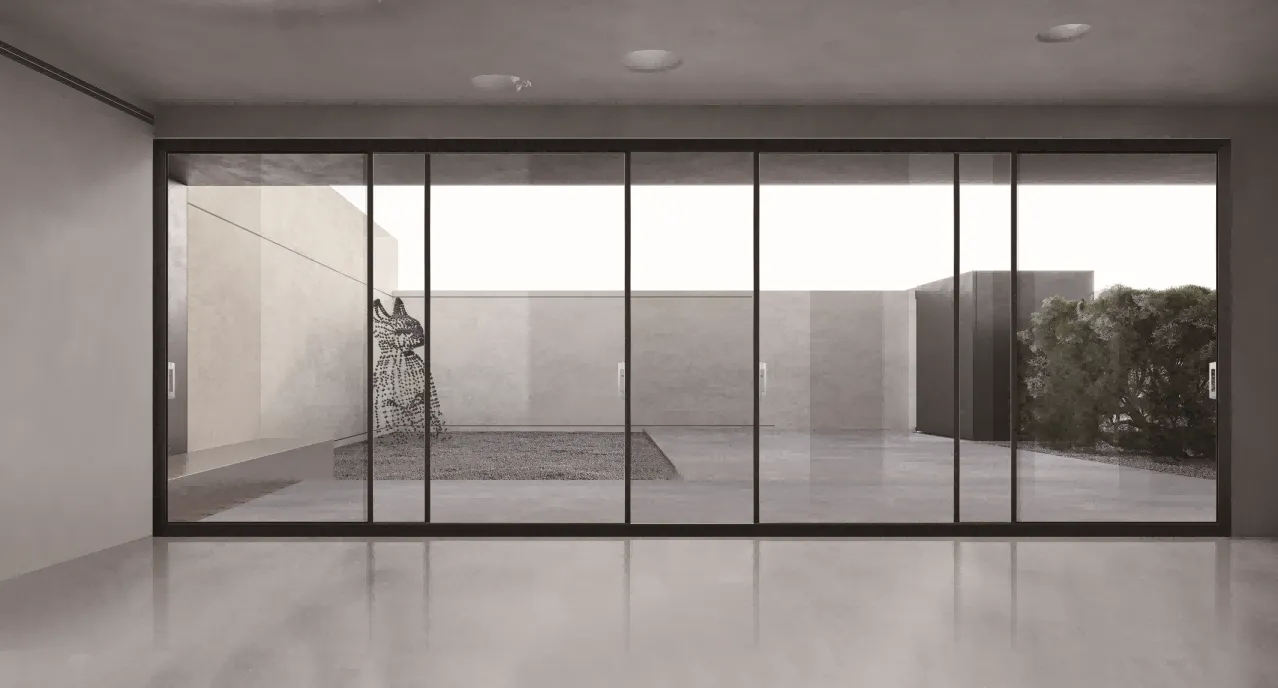
Based in Nanhai, Foshan, ANKEN is a direct manufacturing center specializing in high-performance thermal break aluminum sliding doors, architectural windows, and frameless smart LED glass railing systems. We assist international developers and builders through every stage—from structural CAD engineering and physical factory audits to full-container export consolidation.
Contact our engineering team to schedule an in-person factory tour in Foshan or submit your project blueprints for a direct manufacturing evaluation.