
When building high-end custom homes, glazing packages frequently become the most contentious line item. As a general contractor in Southern California, I watched domestic lead times stretch past 24 weeks while local distributors added staggering markups on oversized aluminum sliding doors and thermal break casements. I knew that understanding the practical reality of importing windows and doors from china could protect my project margins, but cross-border sourcing always felt like an intimidating gamble.
Online forums were filled with contradictory advice—some contractors reported saving 45%, while others told horror stories of broken glass containers and structural code rejections.
Here is my true, unvarnished journey of importing windows and doors from china for a luxury hillside build—from discovering a real factory on social media to cracking open the shipping container at the Port of Long Beach.
Act 1: The Social Media Discovery & Filtering Out Brokers
My journey did not begin at a glitzy trade show; it started at 11:00 PM while scrolling through construction reels on Facebook、Instagram and LinkedIn. I stumbled upon a short video showcasing a massive double-head CNC saw cutting heavy aluminum extrusions, followed by a close-up of a pneumatic machine injecting two-component corner glue into a massive 3-meter sliding frame.
Unlike the generic marketing agencies flooding social feeds with glossy 3D renders, this account was posting raw, unedited footage straight from a factory floor in Foshan. The company behind the posts was ANKEN.
How I Screened Out the Middlemen
Before discussing pricing, I put the factory through a direct technical screening to confirm they were true manufacturers rather than trading intermediaries:
- The 24-Hour Custom Drawing Test: I sent preliminary architectural elevations for a 4.5-meter multi-slide patio door. A broker usually takes four days to consult an outside shop; ANKEN’s engineering department returned a complete 1:1 CAD profile cross-section within 24 hours.
- Material Traceability Proof: I demanded proof of virgin 6063-T5 aluminum billets and authentic PA66 GF25 polyamide thermal barrier strips. They immediately supplied raw material mill test certificates and Technoform component invoices.
- Real-Time Video Facility Walkthrough: We scheduled a live video call via WhatsApp. The project engineer walked me through the extrusion staging area, the CNC cutting bays, and the automated glass assembly line in real time.
Act 2: Technical Engineering & Shop Drawing Approval
One of the most dangerous misconceptions about importing windows and doors from china is assuming the factory will magically understand your local building code without explicit communication.
Once we signed the preliminary proforma invoice and submitted the initial deposit, the engineering phase began:
[ Architectural Blueprints ] ➔ [ 1:1 Factory CAD Shop Drawings ] ➔ [ Structural Deflection Check ] ➔ [ Final Builder Sign-Off ]
Over a seven-day period, we refined the technical schedule:
- Glass Thermal Calculations: Because the project faced stringent California Title 24 energy mandates, we specified double-silver Low-E insulated glass units (6mm Low-E + 14A with 90% Argon gas + 6mm Toughened Clear) achieving a certified U-factor of 0.20 BTU/(h·ft²·°F) and an SHGC of 0.22.
- Sub-Sill Drainage Geometry: ANKEN engineered hidden drainage check-valves into the bottom sliding track, ensuring driven rainwater drained outward while preventing coastal wind backdrafts.
- Corner Cleat Reinforcement: We mandated that all corners feature heavy cast-aluminum corner brackets locked with stainless steel pins and injected with structural epoxy, eliminating the risk of frame racking during installation.
Act 3: Factory Fabrication & Pre-Shipment Video Inspection
Thirty days into production, the profiles were cut, powder-coated in architectural matte black, and assembled. However, I insisted on seeing physical proof of weatherproofing before releasing the final balance payment.
The factory placed two randomly selected window units into their calibrated environmental test chamber. They sent an uncut 4K video showing:
- Dynamic Cyclic Water Spray: Water jets blasted the exterior window face under positive air pressure simulating 50-knot storm conditions.
- Zero Interior Leakage: Close-up inspection confirmed that the automotive-grade vulcanized EPDM compression seals held completely dry, with zero weeping around the frame perimeter.
Seeing certified chamber testing eliminated my lingering anxieties about quality control.
Act 4: Export Packaging, Ocean Freight & Port Clearance
For building contractors, the greatest fear when importing windows and doors from china is opening the shipping container only to find a pile of shattered glass. High-performance manufacturing is useless if the export packaging cannot survive rough Pacific swells.
ANKEN’s ocean logistics protocol followed military-grade standards:
- Heavy Plywood Crates: Every glazed sash was individually wrapped in 80-micron PE film, fitted with molded rubber corner guards, and enclosed in custom fumigation-free engineered plywood crates lined with thick EVA shock-absorbing foam.
- Container Loading Strategy: The factory provided a complete loading diagram. The crates were positioned vertically inside a 40-foot High-Cube (40HQ) container, secured directly to the floor D-rings with heavy-duty ratchet straps and heavy timber bracing. Inflatable air dunnage bags were inserted between crates to prevent any lateral shifting.
- Customs Documentation: The shipment cleared customs under HS Code 7610.10 (aluminum doors and windows). Because the crating used engineered plywood rather than raw timber, the container bypassed costly ISPM-15 quarantine fumigation delays at the terminal.
Act 5: Job-Site Delivery & The Final Verdict
Thirty-eight days after leaving the port of Shenzhen, the container chassis pulled onto our job site in California.
Factory CAD Sign-Off (Day 7) ➔ CNC Machining (Day 25) ➔ Water Test (Day 32) ➔ Ocean Transit (Day 60) ➔ Job-Site Arrival (Day 70)
We unloaded the crates using a rough-terrain forklift equipped with extended fork blades. Upon unsealing all 14 heavy crates:
- Zero Breakage: Every single double-glazed and triple-glazed unit arrived in immaculate condition without a single hairline crack or powder-coat scratch.
- Hardware Inclusions: The container included pre-packaged spare EPDM gasket coils, extra stainless steel tandem rollers, and installation anchor brackets neatly labeled per window schedule opening.
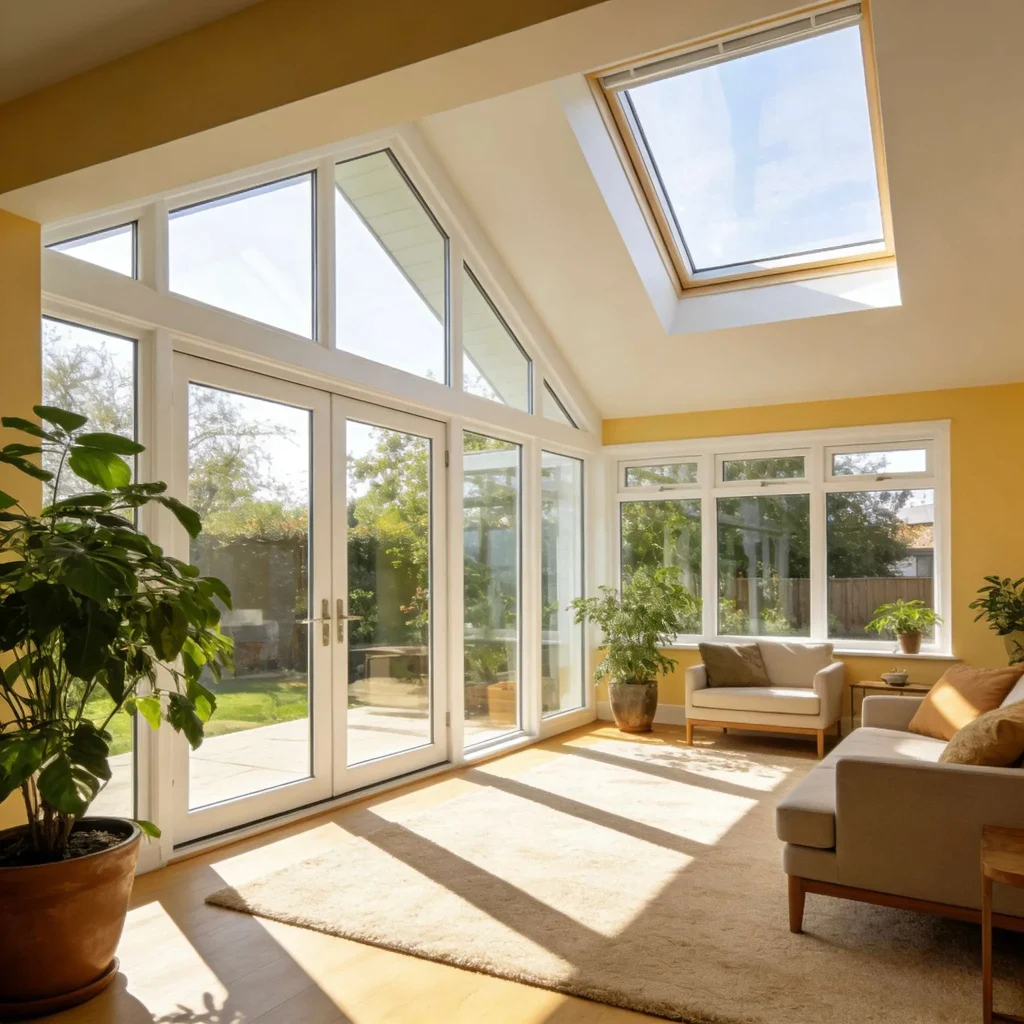
- Installation Accuracy: The rough opening tolerances were within 2mm of the approved shop drawings. Our framing crew installed the massive 4.5-meter multi-slide patio door in less than half a day.
The Bottom Line
By managing the process of importing windows and doors from china directly with an engineering-focused manufacturing plant, our construction company saved $38,500 (a 42% cost reduction) compared to the lowest domestic distributor bid. More importantly, the entire order was delivered on site within 10 weeks—beating domestic production lead times by nearly three months.
Essential Checklist for First-Time Importers
If you are planning to source architectural fenestration directly from China, keep this operational checklist handy:
- [ ] Connect directly with manufacturing plants rather than unverified trading agents.
- [ ] Require full 1:1 CAD shop drawings before authorizing profile cutting.
- [ ] Verify 6063-T5 aluminum, PA66 GF25 polyamide thermal breaks, and EPDM gaskets.
- [ ] Request pre-shipment water chamber testing video proof.
- [ ] Insist on heavy-duty, fumigation-free plywood crates with internal EVA foam padding.
- [ ] Contract a reputable local customs broker to manage port clearance and drayage transport.
Engineer Your Project Directly with ANKEN
Successfully importing windows and doors from china requires partnering with a manufacturer that treats export orders as a structural engineering discipline rather than a basic transactional sale.
At ANKEN, our manufacturing facility in Foshan specializes in high-performance thermal break sliding doors, architectural casements, and glass railing systems engineered to comply with strict international building and energy standards. We guide general contractors, architects, and developers through every milestone—from initial CAD shop drawings to heavy-duty export crating.
Contact ANKEN’s Engineering Team today to submit your window schedule or request a direct factory capability consultation.